


Conducting User Research
Start With the User
Before beginning the design process for MealMuse, I conducted user research to better understand how people approach cooking, meal planning, and recipe discovery. I gathered both quantitative and qualitative insights through a survey of 188 participants and three user interviews with people at different life stages. I also developed three user personas to represent key user needs, behaviors, and challenges. Together, these findings helped identify common pain points and opportunities, giving me a clearer understanding of who I was designing for and guiding the decisions made throughout the rest of the project.

Who Are We Designing For?
To better understand my target audience, I created a screener survey exploring participants’ cooking habits, meal planning routines, and recipe preferences. The survey received 188 responses, helping me identify common behaviors and patterns to guide the next stages of research.
Key Findings
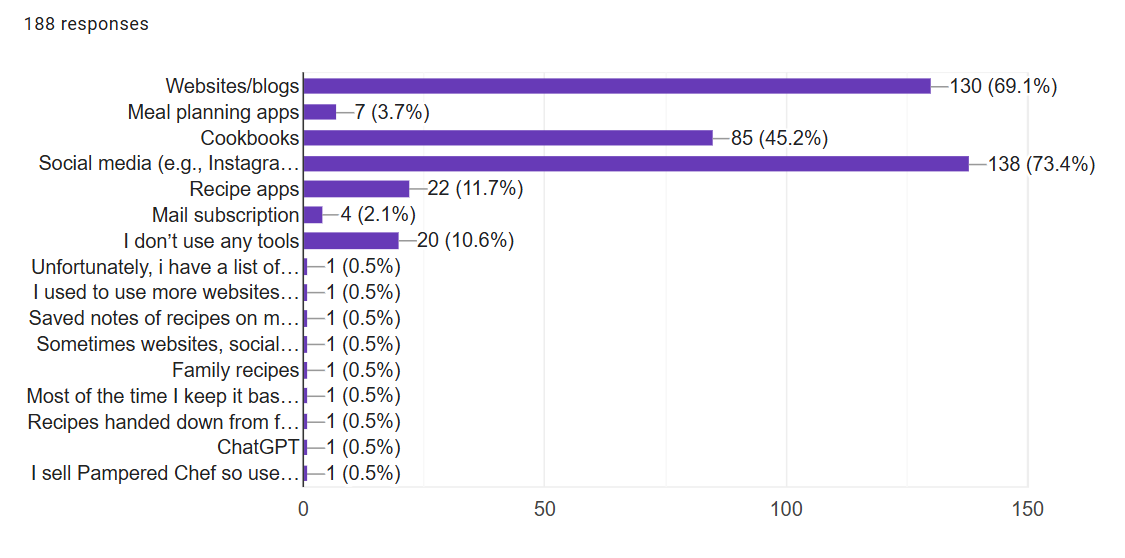
What tools or methods do you currently use to find recipes or plan meals?
1 %
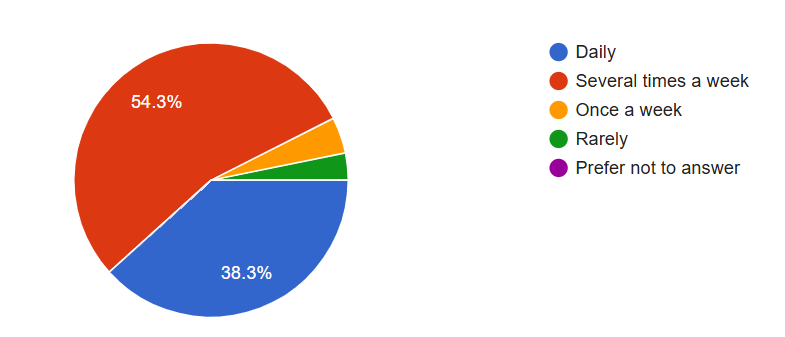
How often do you cook meals at home?
1 %
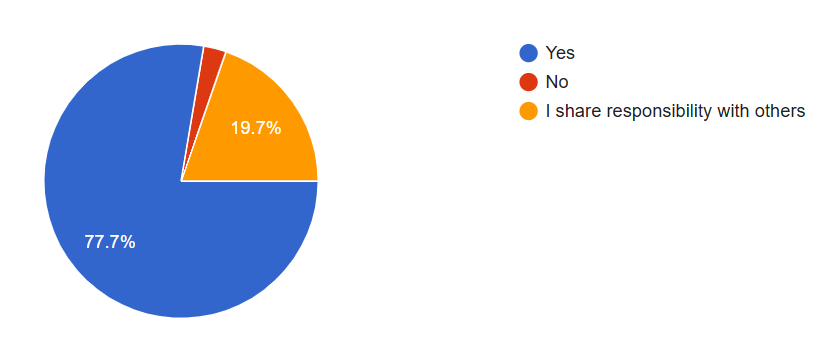
Are you responsible for meal planning and grocery shopping in your household?
1 %
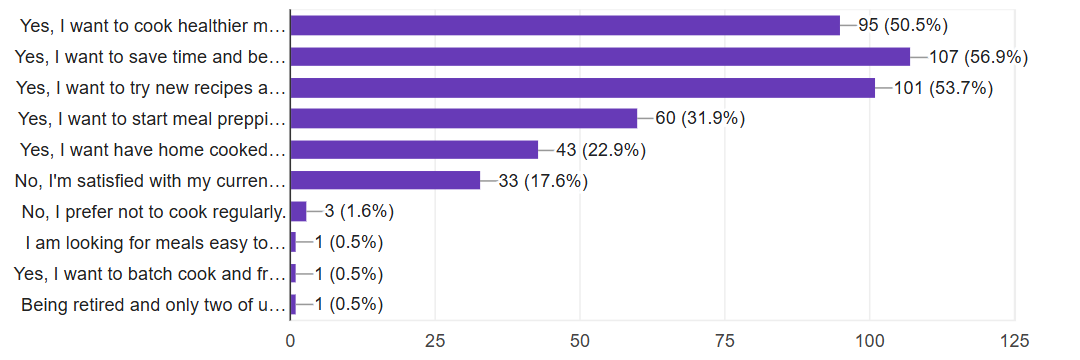
Are you interested in improving your cooking habits? (Select all that Apply)
Majority of respondents say they want to improve their cooking habits in some way.

Putting Faces to the Findings
The survey revealed patterns in how people approach cooking and meal planning, but I wanted to understand the why behind those behaviors. From my screening survey, I identified three participants who were a good fit for follow-up interviews, ages 23, 32, and 55. I used open-ended questions to dig deeper into their routines, motivations, challenges, and priorities around cooking, grocery shopping, and meal planning—uncovering insights the survey alone couldn’t capture.
Interview Takeaways
Learning to cook
A 23-year-old participant is trying to cook more at home and rely less on eating out, creating a need for approachable meal ideas and inspiration.
Feeding a family
A 32-year-old participant prioritizes quick, home-cooked meals that work for her family of four, making convenience and planning especially important.
Eating for better health
A 55-year-old participant has changed her diet to support her health and needs easier ways to discover meal ideas that fit her new dietary needs.
Design Implications
These insights showed that Meal Muse must be versatile, supporting both family-focused users and individuals cooking for personal needs. The app should offer flexible meal planning tools that reduce stress and adapt to a wide range of lifestyles.

Meet the MealMuse Users
Using insights from my survey and interviews, I created three personas to represent the different goals, routines, and challenges MealMuse was designed to support.
Personas

Jake
Age: 23
Occupation: Nurse
Lifestyle: Busy & independent
Jake is a 23-year-old nurse who is learning to cook more meals at home instead of relying on takeout for lunch and dinner. His long and sometimes unpredictable shifts make finding time to cook a challenge. He wants to become more confident in the kitchen and enjoys trying new meals, but often struggles with deciding what to make and finding recipes that fit his skill level.
Goals
Frustrations

Sara
Age: 32
Occupation: Teacher
Lifestyle: Family-focused
Sarah cooks for a family of four and wants to provide home-cooked meals without spending hours planning and preparing them. With a busy schedule, convenience is a major priority. She looks for simple meals that the whole family can enjoy while making grocery shopping and meal planning easier.
Goals
Frustrations

Linda
Age: 58
Occupation: Nurse
Lifestyle: Health-Conscious
Linda is a 55-year-old office manager who has always enjoyed cooking as a hobby. She grew up learning to cook alongside her mother, making it something she has continued to enjoy throughout her life. After changing her diet to support her health, she now wants to find new and interesting meals that fit her dietary needs without making meal planning feel complicated.